Napa's Neighbor, Nobody's Shadow
Sonoma County is California's great wine paradox. It sits right next to the most famous wine region in the Americas, yet it remains underappreciated — and that's exactly what makes it exciting. While Napa Valley has built its reputation on concentrated Cabernet Sauvignon and luxury tasting rooms, Sonoma has quietly become one of the most diverse wine regions on Earth, producing world-class Pinot Noir, Chardonnay, Zinfandel, Syrah, Cabernet Sauvignon, and Sauvignon Blanc across a staggering range of microclimates.
The numbers tell the story: Sonoma County contains 19 distinct AVAs (American Viticultural Areas), more than any other county in California. Its approximately 60,000 acres of vineyards span terrain from fog-shrouded Pacific coastline to warm inland valleys, with elevations ranging from sea level to over 2,000 feet. Average bottle prices sit well below Napa's, making Sonoma one of the best value propositions in premium California wine.
More importantly, Sonoma has a soul that Napa sometimes lacks. This is farming country first — with apple orchards, dairy farms, and redwood forests alongside the vineyards. The tasting room culture is more relaxed, the winemakers more accessible, and the emphasis is firmly on what's in the glass rather than what's on the price tag.
The AVAs That Matter Most
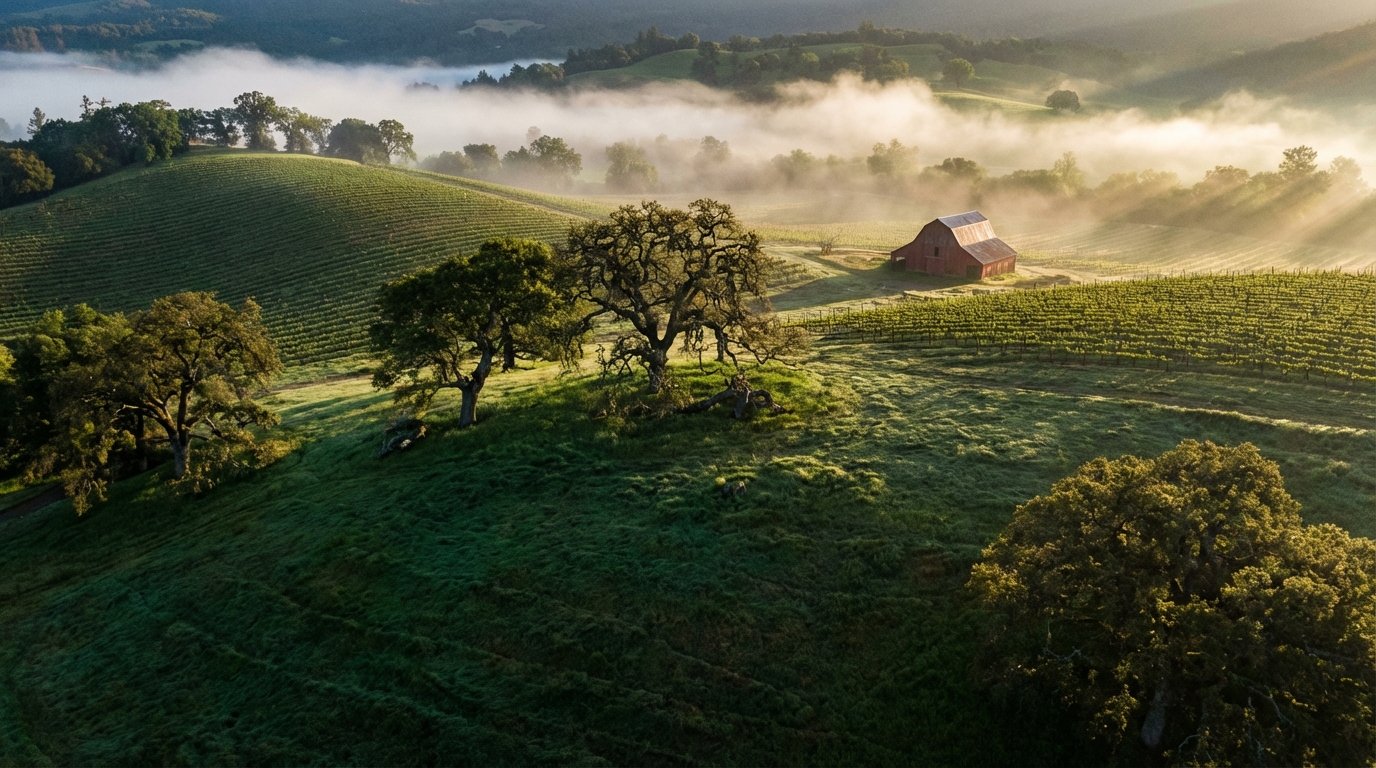
Sonoma's 19 AVAs can feel overwhelming, but a handful dominate the conversation. Understanding these key sub-regions is the shortcut to understanding Sonoma wine.
Russian River Valley is Sonoma's crown jewel for Pinot Noir and Chardonnay. The AVA sits in a thermal trough where Pacific fog pours through the Petaluma Gap every afternoon, dropping temperatures dramatically. This cooling influence gives Russian River Pinot Noir its hallmark combination of ripe fruit and bright acidity — think black cherry, cola, and forest floor with a silky, medium-bodied texture. Williams Selyem (legendary, allocation-only), Kistler, Littorai, and Gary Farrell are essential producers.
Sonoma Coast is the broadest and most exciting AVA, technically encompassing a huge area from the Pacific inland. But the real magic happens in the "extreme" or "true" Sonoma Coast — the ridgetop vineyards perched above the fog line, just a few miles from the ocean. Hirsch Vineyards, Marcassin, Flowers, and Fort Ross-Seaview (now its own AVA within Sonoma Coast) produce Pinot Noir and Chardonnay of startling intensity and minerality. If Burgundy were to be transplanted to California, it would look like this.
Dry Creek Valley is Zinfandel country — and has been since Italian immigrants planted it here in the 1880s. Old-vine Zin from Ridge (Lytton Springs), Seghesio, Mauritson, and Bedrock Wine Co. (owned by Morgan Twain-Peterson, son of Ravenswood's founder) produces wines of extraordinary depth: brambly dark fruit, black pepper, dried herbs, and a spicy warmth that screams California. Dry Creek also makes excellent Sauvignon Blanc from benchland vineyards — crisp, herbal, and refreshing.
| AVA | Signature Grapes | Climate | Must-Try Producers |
|---|---|---|---|
| Russian River Valley | Pinot Noir, Chardonnay | Cool (fog influence) | Williams Selyem, Kistler, Littorai |
| Sonoma Coast | Pinot Noir, Chardonnay | Cool to cold (oceanic) | Hirsch, Marcassin, Flowers |
| Dry Creek Valley | Zinfandel, Sauvignon Blanc | Warm days, cool nights | Ridge, Seghesio, Bedrock |
| Alexander Valley | Cabernet Sauvignon, Merlot | Warm | Silver Oak, Jordan, Stonestreet |
| Bennett Valley | Syrah, Merlot | Cool (Petaluma Gap wind) | Matanzas Creek, Arrowood |
| Petaluma Gap | Pinot Noir, Syrah, Chardonnay | Very cool (wind corridor) | Keller Estate, Gap's Crown, Sangiacomo |
| Sonoma Valley | Cabernet, Zinfandel, Chardonnay | Moderate to warm | Hanzell, Bedrock, Buena Vista |
Pinot Noir: Sonoma's Calling Card
If Napa is synonymous with Cabernet Sauvignon, Sonoma is synonymous with Pinot Noir. And the case can be made that Sonoma produces the finest Pinot Noir outside of Burgundy.
The key is the Pacific Ocean. Cold currents offshore (averaging around 10°C even in summer) generate massive banks of fog that roll inland through gaps in the coastal mountains every afternoon. This diurnal temperature variation — warm days followed by dramatically cooler evenings — is Pinot Noir's ideal growing condition. The grapes ripen fully during the day while retaining the acidity and aromatic complexity that warm-climate Pinot Noir often lacks.
Russian River Valley Pinot tends toward rich, dark-fruited, and opulent — black cherry, raspberry, cola, and baking spice. Sonoma Coast Pinot, especially from ridgetop sites, is leaner and more structured — cranberry, blood orange, and an iron-like minerality that recalls Burgundy's Côte de Nuits. The Petaluma Gap, Sonoma's newest AVA (established 2017), channels howling afternoon winds through a break in the coastal hills, producing Pinot Noir of remarkable tension and energy.
The diversity of Pinot Noir styles within a single county is Sonoma's great gift to wine lovers. You can drink a plush, hedonistic Russian River Pinot with grilled salmon on Monday and a taut, savory Sonoma Coast Pinot with mushroom risotto on Thursday, and both wines will reward attention.
Zinfandel: The Heritage Grape
Before Pinot Noir put Sonoma on the international map, Zinfandel was king. Dry Creek Valley's old-vine Zinfandel vineyards — some dating back to the 1880s — are among California's most precious viticultural treasures. These head-trained, dry-farmed vines produce tiny quantities of intensely concentrated fruit that makes wines of remarkable complexity.
Ridge Vineyards (Lytton Springs) is the benchmark. Their Zinfandel-based blend (with Petite Sirah, Carignane, and Mourvèdre) is one of California's most consistently great wines, year after year. Bedrock Wine Co.'s mission is explicitly preserving heritage vineyards — their "The Bedrock Heritage" wine, from a vineyard planted in 1888, is a field blend of over 30 grape varieties, a living document of California's viticultural history.
Seghesio Family Vineyards produces Zinfandel across multiple Sonoma sub-regions, while Mauritson and Unti in Dry Creek Valley offer excellent examples of the grape's spicy, warm-hearted personality. Sonoma Zinfandel at its best is not the jammy, overripe stereotype — it's structured, peppery, and complex, with alcohol levels that stay in check thanks to the region's temperature swings.
Beyond Pinot and Zin: Sonoma's Full Spectrum
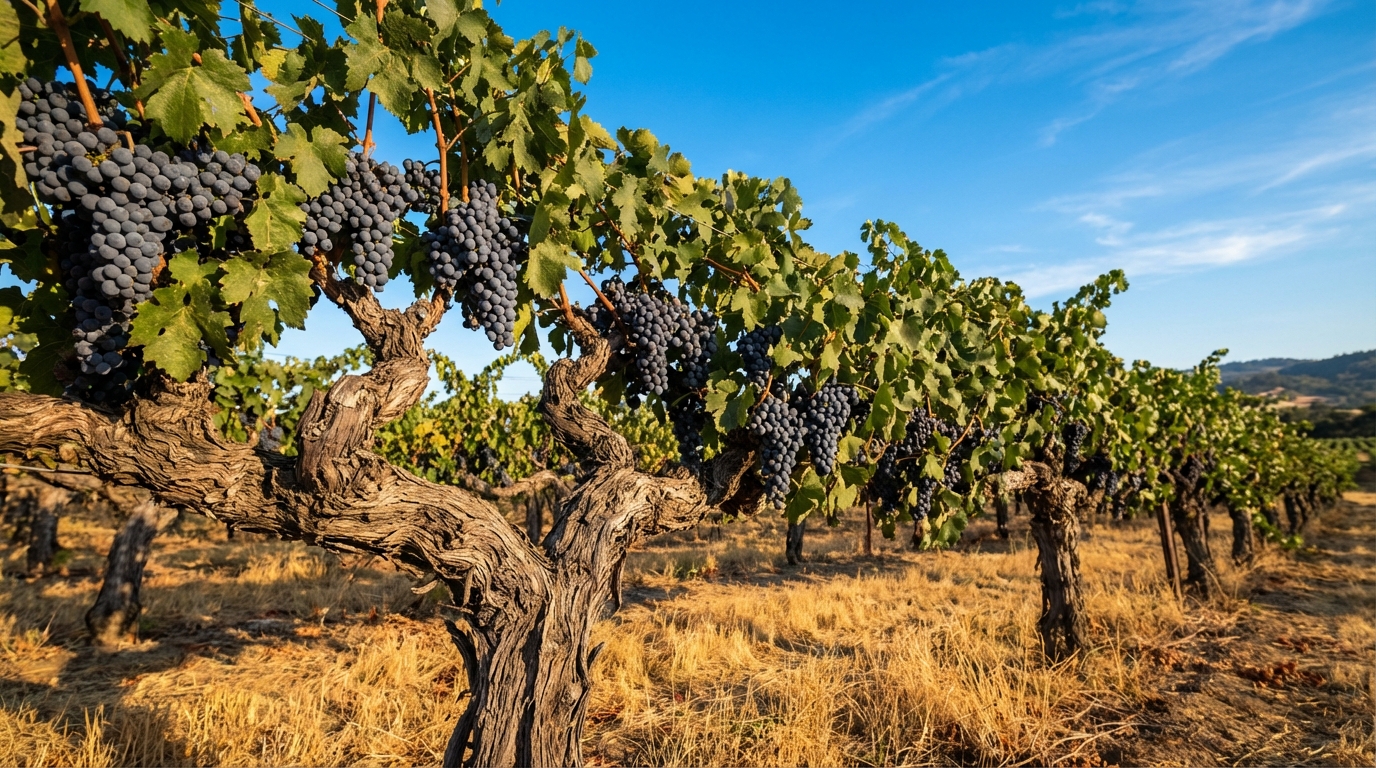
Chardonnay thrives throughout Sonoma, from the steely, mineral-driven versions of the true Sonoma Coast to the richer, oak-influenced styles of Russian River Valley. Kistler, Ramey, and Hanzell (one of California's oldest Chardonnay producers, with plantings from 1957) set the standard. Sonoma Chardonnay at its best balances California's generous fruit with a distinctly Burgundian sense of place and restraint.
Cabernet Sauvignon anchors Alexander Valley, the warmest of Sonoma's major AVAs. Here, the wines are plush and approachable — less structured than Napa Cabernet, but with generous cassis, dark chocolate, and herb notes. Silver Oak, Jordan, and Stonestreet are the names to know. The Moon Mountain District, at higher elevation on the western slopes of the Mayacamas range (which separates Sonoma from Napa), produces mountain Cabernet of real depth and aging potential.
Syrah has found an unlikely but brilliant home in the Petaluma Gap and Bennett Valley, where the cooling wind corridor produces peppery, savory, Northern Rhône-style Syrah that surprises anyone expecting warm, fruity Australian Shiraz. Pax Wine Cellars and Peay Vineyards are leading the charge.
Sauvignon Blanc from Dry Creek Valley is one of California's best-kept secrets — herbaceous, citrusy, and refreshing, made in a style closer to Loire Valley Sancerre than New Zealand Marlborough. Merry Edwards (now owned by Roederer) and Dry Creek Vineyard (the valley's pioneer winery) produce benchmark examples.
Wine Country Without the Velvet Rope
Part of Sonoma's appeal is the tasting experience itself. While Napa Valley has increasingly become a luxury destination — $50-$100 tasting fees, appointments required, limousines clogging Highway 29 — Sonoma retains a more agricultural, down-to-earth character. Many tasting rooms are walk-in, fees are more reasonable, and you're more likely to be poured by the winemaker's spouse than a trained brand ambassador.
The town of Healdsburg has emerged as Sonoma's gastronomic capital, with world-class restaurants (SingleThread, Valette, Barndiva) and a charming town square surrounded by tasting rooms. Sebastopol, in the heart of the Pinot Noir country, has a bohemian, farm-to-table character. Sonoma Plaza, site of the 1846 Bear Flag Revolt that launched California's independence movement, is steeped in history and surrounded by tasting rooms in historic buildings.
For visitors, the contrast with Napa is striking. In Sonoma, you can still have a genuine, unhurried conversation about wine with people who actually grow the grapes and make the wine. That personal connection — the story behind the bottle — is something no amount of marketing can replicate.
Why Sonoma Deserves Your Attention Now
Sonoma County is at an inflection point. Global wine critics are increasingly recognizing its best Pinot Noirs and Chardonnays as world-class. The natural wine movement has found enthusiastic practitioners here. Climate change, paradoxically, may benefit Sonoma more than warmer regions — its coastal cooling influence provides a buffer that many inland regions lack.
At the same time, challenges loom. Wildfires have devastated parts of the county in recent years, and the threat of smoke taint hangs over every harvest. Water availability is an ongoing concern. And development pressure from the San Francisco Bay Area (Sonoma is just 45 minutes from the Golden Gate Bridge) pushes agricultural land values ever higher.
But for now, Sonoma remains what it has always been: a place where serious winemakers can access world-class terroir, grow extraordinary grapes, and make wines that rival the world's best — all without the pretension premium. That combination of quality, diversity, and authenticity makes Sonoma County one of the most exciting wine regions on Earth. Its best days are still ahead.


