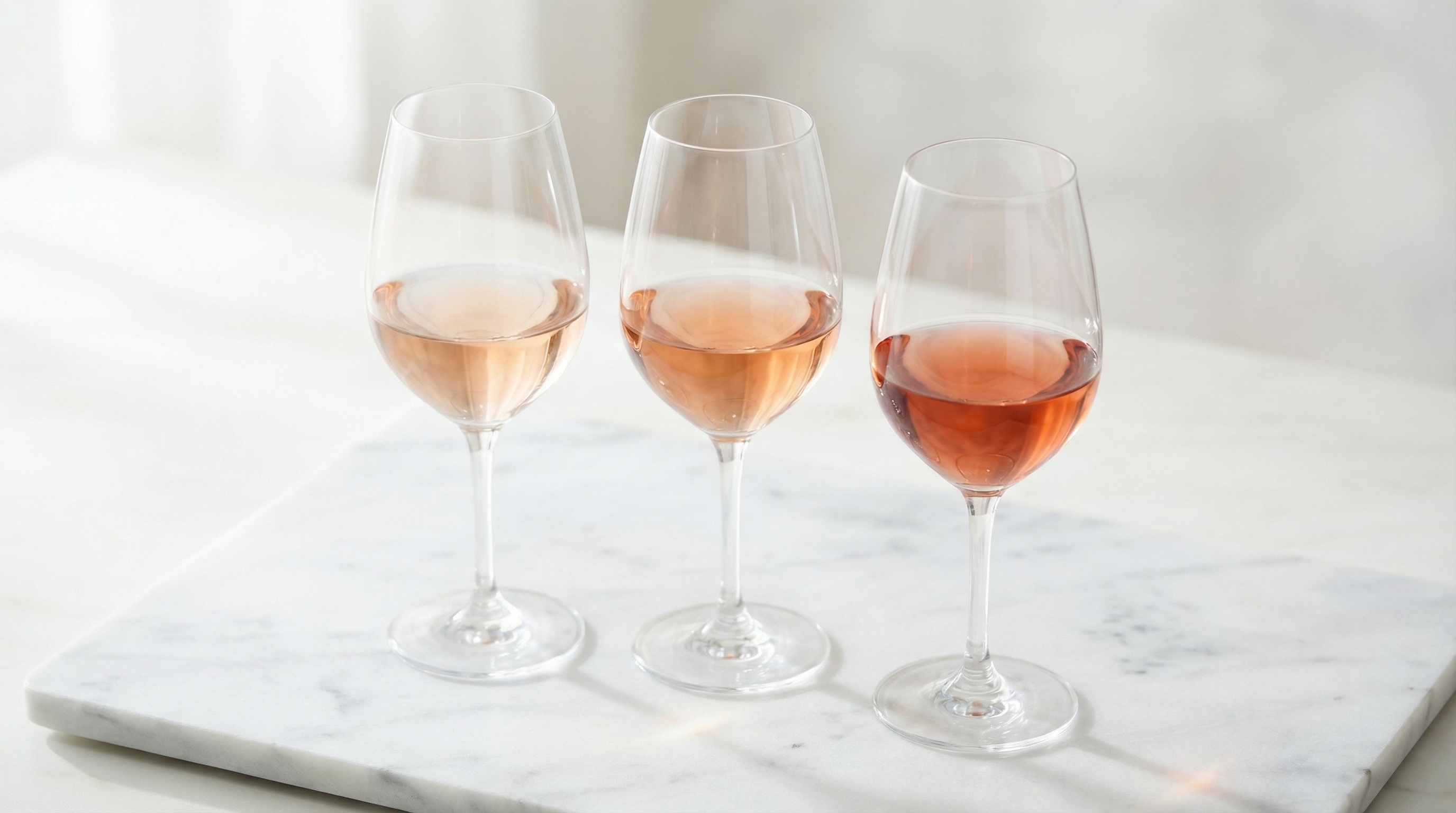
More Than a Summer Sip
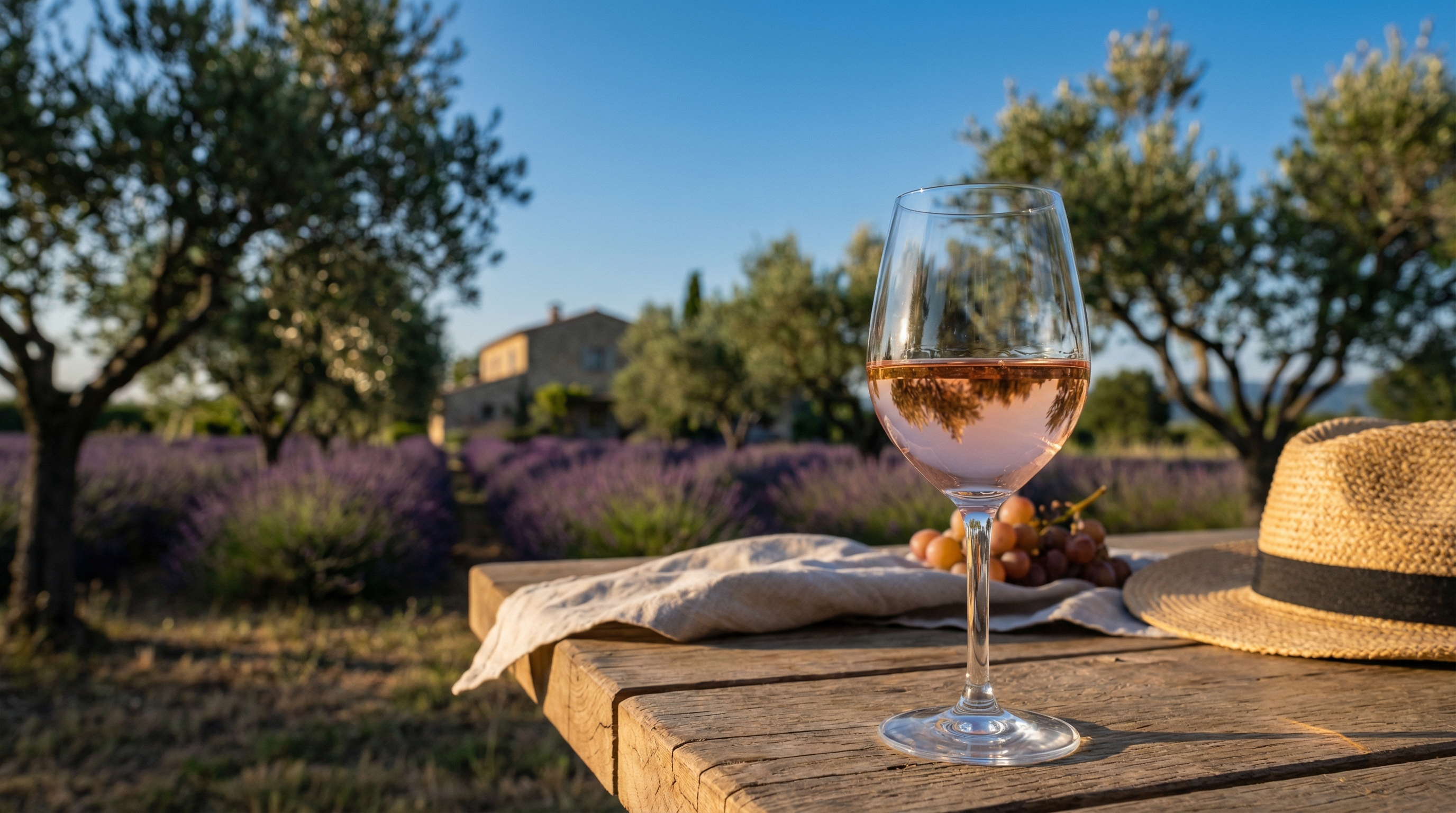
Rosé has undergone one of the most dramatic image transformations in wine history. Once dismissed as unserious — a wine for poolside sipping and nothing more — rosé is now recognized by sommeliers, critics, and collectors as a legitimate, complex, and profoundly food-friendly wine category. Global rosé consumption has grown by over 30% in the past decade, and Provence rosé in particular has become a cultural phenomenon.
But there is far more to rosé than pale pink Provence bottles. Understanding how rosé is made and where the greatest examples originate opens a world of depth, diversity, and pleasure.
How Rosé Is Made
There are three primary methods:
1. Direct Press (Pressurage Direct) The dominant method in Provence and most quality rosé production. Red grapes are gently pressed immediately or within a few hours of harvest, and the lightly tinted juice is fermented like a white wine. Contact time with the skins is minimal (2-20 hours), resulting in pale, delicate wines with fresh fruit and floral character. This is why Provence rosés are famously pale — color extraction is deliberately minimal.
2. Saignée (Bleeding) A portion of juice is "bled off" from a red wine tank early in fermentation, after just a few hours of skin contact. This juice is then fermented separately as rosé. The resulting wines tend to be deeper in color, richer in body, and more fruit-forward than direct-press rosés. Saignée rosé is common in regions like Tavel, Navarra, and many New World areas. Importantly, the saignée method also concentrates the remaining red wine by reducing its juice-to-skin ratio.
3. Blending Simply mixing red and white wine together. This method is generally frowned upon in most wine regions and is illegal in most European appellations — with one crucial exception: Champagne rosé, where blending a small amount of still Pinot Noir into the base wine is the traditional and accepted method.
Provence: The Global Benchmark
The Provence region in southeastern France has become synonymous with rosé. Its three appellations — Côtes de Provence, Coteaux d'Aix-en-Provence, and Coteaux Varois en Provence — produce more rosé than any other region in France. The Provençal style is characterized by:
- Extremely pale color (often described as "salmon," "peach," or "pale onion skin")
- Delicate flavors of white peach, strawberry, citrus, garrigue herbs, and sea breeze
- Crisp acidity and a dry, mineral finish
- Grape varieties: Grenache, Cinsault, Mourvèdre, Syrah, Rolle (Vermentino)
Top Provence producers:
- Domaines Ott — The original luxury Provençal rosé, in its distinctive bottle. Clos Mireille and Château de Selle are benchmarks.
- Château d'Esclans — Home to Whispering Angel (the world's best-selling premium rosé) and the acclaimed Garrus cuvée
- Domaine Tempier — Bandol rosé of extraordinary depth, made primarily from old-vine Mourvèdre. A serious wine.
- Château Simone — From the tiny Palette appellation near Aix-en-Provence. Age-worthy, complex, and unique.
Other Great Rosé Regions
Tavel, France The only appellation in France dedicated exclusively to rosé. Tavel produces a fuller-bodied, more structured style — deeper in color and more vinous than Provence. Grenache-dominated, these rosés can age 3-5 years and pair brilliantly with grilled meats. Château d'Aquéria and Domaine de la Mordorée are top producers.
Bandol, France Mourvèdre-based rosés from the southern Provence coast. More structured and serious than typical Provençal rosé, with savory, herbal complexity. Domaine Tempier and Château Pradeaux are the benchmarks.
Navarra, Spain Spain's most important rosé region, where Garnacha (Grenache) rosados offer vibrant fruit, good body, and extraordinary value. Often among the world's best rosé values under €10. Chivite and Ochoa are reliable producers.
Sancerre, France Pinot Noir-based rosé from the Loire Valley. Delicate, mineral, and precise. An excellent alternative to Provence for those seeking an even more restrained style.
California & Oregon, USA American rosé has exploded in quality and popularity. Look for:
- Tablas Creek (Paso Robles) — Mourvèdre rosé of Provençal elegance
- Lorenza (Sonoma) — Small-production, direct-press rosé
- Domaine Drouhin (Oregon) — Pinot Noir rosé of delicate precision
Food Pairing
Rosé's combination of fruit, acidity, and moderate weight makes it one of the most versatile food wines:
- Grilled seafood — Shrimp, octopus, grilled fish with herbs
- Salads — Niçoise, Greek, Caesar, goat cheese salads
- Mediterranean cuisine — Ratatouille, tapenade, bouillabaisse, pizza
- Charcuterie — Prosciutto, salami, pâté, rillettes
- Asian cuisine — Sushi, Thai salads, Vietnamese spring rolls
- Poultry — Roast chicken, turkey, duck breast
- Cheese — Fresh goat cheese, mozzarella, feta
Beyond Summer: Year-Round Rosé
The notion that rosé is only for warm weather is a myth perpetuated by marketing, not flavor. A structured Tavel or Bandol rosé is perfect with autumn roasts. A Sancerre rosé pairs beautifully with winter charcuterie boards. And Champagne rosé is magnificent with any meal, any season.
Serving tips:
- Serve at 8-10°C (46-50°F) — cold enough to be refreshing, warm enough to show complexity
- Don't over-chill — an ice-cold rosé loses its aromatic nuance
- Most rosé is best consumed within 12-18 months of release for maximum freshness
- Exceptions: Tavel, Bandol, and top Provence cuvées can age 3-5 years
“Roze: beyazın tazeliği ile kırmızının karakteri.”
— Château d'Esclans