A Grape Reborn
Few stories in wine are as dramatic as that of Malbec — a grape that was once a footnote in Bordeaux, nearly extinguished by phylloxera and frost, only to find its true calling 7,000 miles away in the high-altitude vineyards of Argentina. Today, Argentina produces more Malbec than any other country, and the grape has become inseparable from the nation's identity, its culture, and its place on the world wine stage.
This is the story of how a forgotten variety became one of the 21st century's most popular wines — and why the best Argentine Malbecs are far more than simple crowd-pleasers.
From Cahors to Catastrophe
Malbec's origins lie in southwestern France, where it is known as Côt and has been cultivated for centuries in the appellation of Cahors. Medieval Cahors was one of Europe's most celebrated wine regions — its inky "black wines" were exported to England and prized by the Russian court. Malbec was also widely planted in Bordeaux, where it served as a blending component alongside Cabernet Sauvignon and Merlot.
But a series of disasters struck. The terrible frost of 1956 devastated Malbec vineyards across Bordeaux, and most growers replanted with the hardier Merlot. Phylloxera had already weakened the variety's position. By the late 20th century, Malbec in France had been reduced to a rump — a few thousand hectares in Cahors, producing tannic, rustic wines that struggled to find a market.
In a twist of fate, Malbec's salvation had been set in motion a century earlier, on the other side of the Atlantic.
The Argentine Transplant
In 1853, Argentine president Domingo Faustino Sarmiento — a visionary modernizer — hired the French agronomist Michel Aimé Pouget to establish a viticultural school in Mendoza. Pouget brought cuttings of French grape varieties, including Malbec, which adapted remarkably to the dry, sunny conditions of western Argentina. Unlike in Bordeaux, where Malbec was prone to coulure (poor fruit set) and rot, the grape thrived in Mendoza's arid climate, warm days, and cool mountain nights.
For over a century, Argentine Malbec was consumed almost entirely domestically, vinified into simple, everyday table wine. The country's wine industry was oriented toward quantity, not quality, and few producers aspired to international recognition. That would change dramatically with one family's vision.
The Catena Revolution
The transformation of Argentine Malbec from bulk commodity to world-class wine is largely the story of Nicolás Catena Zapata — a visionary winemaker and economist who recognized that Argentina's high-altitude terroirs could produce wines of extraordinary quality.
The Epiphany
In the early 1980s, Catena spent time as a visiting professor at the University of California, Berkeley. Visiting Napa Valley, he was struck by how Robert Mondavi and others had elevated California wine from jug wine to global prestige. He returned to Argentina determined to do the same.
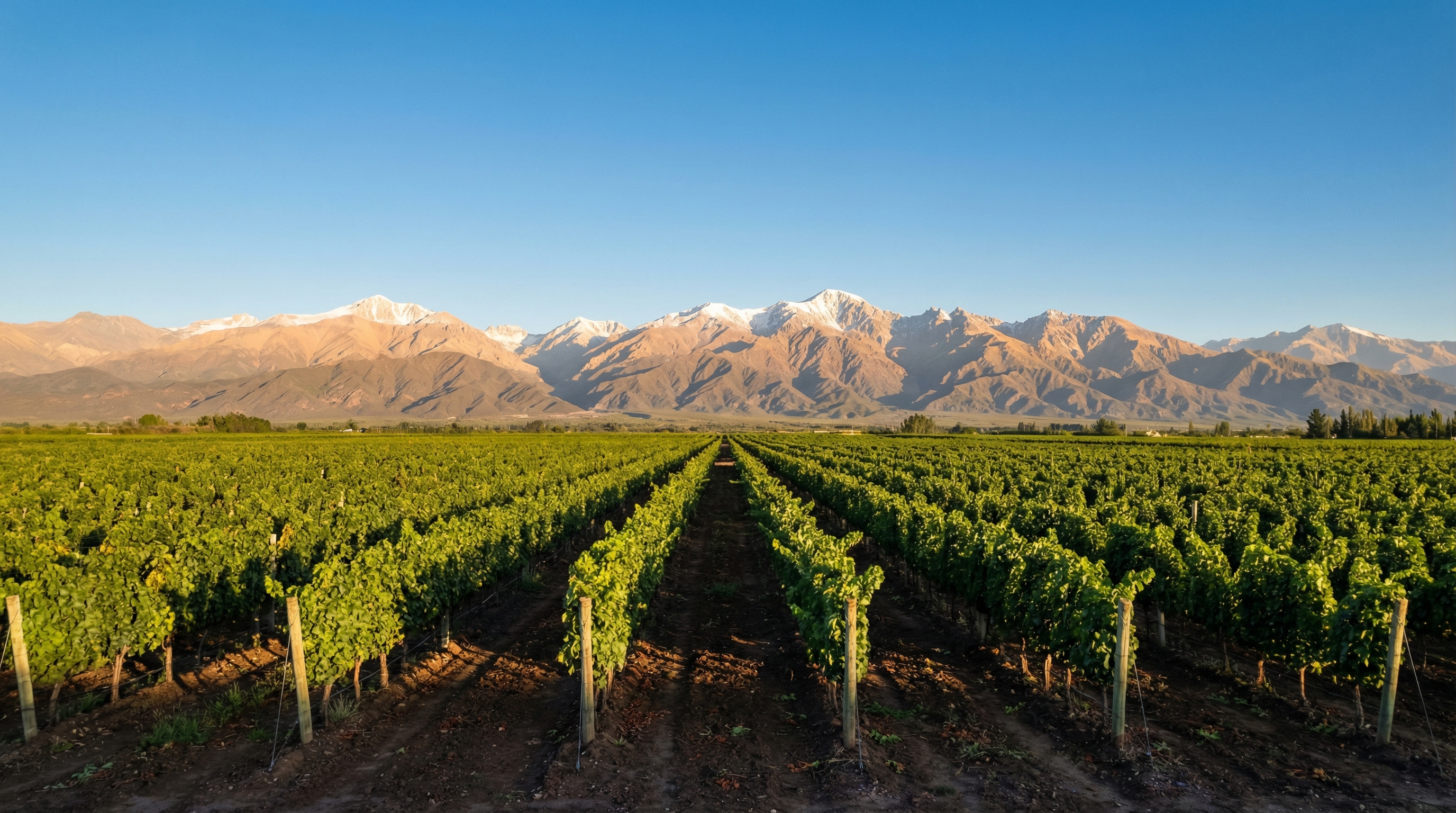
Catena's key insight was altitude. While most Mendoza vineyards sat at 600–900 meters, he began planting experimental plots at 1,000, 1,200, and eventually 1,500 meters above sea level. At these extreme elevations, the intense UV radiation thickens grape skins (increasing color, tannin, and phenolic complexity), while dramatic diurnal temperature swings — sometimes 25°C between day and night — preserve acidity and develop complex aromatics.
“I realized that altitude could give Malbec something it never had in France — the ability to be both powerful and elegant at the same time. The Andes gave us natural air conditioning.”
— Nicolás Catena Zapata
The results were revelatory. Catena's high-altitude Malbecs — particularly from the Adrianna Vineyard at 1,450 meters in Gualtallary — displayed a purity, mineral intensity, and aromatic complexity that had no precedent in Argentine wine. When international critics began scoring these wines alongside top Bordeaux and Napa Cabernet, the world took notice.
The Adrianna Vineyard
Located in the Gualtallary district of the Uco Valley, the Adrianna Vineyard has become Argentina's most acclaimed single vineyard. Planted at 1,450 meters on ancient alluvial soils laced with limestone, it produces Malbec (and Chardonnay) of startling precision.
The vineyard has been extensively studied and subdivided into distinct parcels — Mundus, Fortuna Terrae, River Stones — each expressing different soil characteristics with remarkable clarity. The Catena family's research program, in collaboration with soil scientists from Bordeaux, has demonstrated that Argentine terroir is every bit as nuanced as Europe's finest.
“Adrianna is our Grand Cru. Every row, every parcel tells a different story. The limestone gives the wine a tension and minerality that I believe can rival the great terroirs of the world.”
— Nicolás Catena Zapata
Understanding Argentine Wine Regions
Argentina's wine geography is defined by the Andes, which create the rain shadow effect that gives the western provinces their desert-like aridity. Nearly all of Argentina's quality vineyards lie in a narrow strip along the Andean foothills, from Salta in the north to Patagonia in the south.
Mendoza: The Heart of Argentine Wine
Mendoza accounts for roughly 70% of Argentine wine production. It is subdivided into several key areas:
| Sub-Region | Altitude | Soils | Character |
|---|---|---|---|
| Luján de Cuyo | 800–1,100m | Alluvial, gravel | Classic Malbec: plush, ripe, velvety |
| Maipú | 700–850m | Clay, silt, alluvial | Generous, fruit-forward, warm |
| Uco Valley | 900–1,500m | Alluvial, limestone, sand | Elegant, mineral, high acidity |
| East Mendoza | 600–700m | Sandy, fertile | Volume production, everyday wines |
The Uco Valley has emerged as the most exciting zone, with sub-districts like Gualtallary, Paraje Altamira, Vista Flores, and Los Chacayes producing increasingly distinct, terroir-driven wines. In 2018, Argentina introduced Geographical Indications (GIs) at the department and district level, acknowledging the diversity within Mendoza.
Beyond Mendoza
Salta (Cafayate) — At 1,700–3,000 meters, the Calchaquí Valley produces the world's highest commercially grown wines. Torrontés, Argentina's signature white grape, reaches its aromatic peak here, while Malbec and Cabernet Sauvignon develop extraordinary concentration. Colomé and El Esteco are leading producers.
Patagonia (Río Negro & Neuquén) — Argentina's coolest, southernmost wine region, at 39° latitude. Pinot Noir and Malbec develop bright acidity and red-fruit character more reminiscent of Burgundy than Mendoza. Bodega Chacra, founded by Piero Incisa della Rocchetta (of Sassicaia fame), produces stunning Pinot Noir from pre-phylloxera vines planted in 1932 and 1955.
San Juan — Argentina's second-largest wine province by volume, increasingly recognized for old-vine Syrah and Bonarda from higher-altitude sites.
The Malbec Flavor Spectrum
One of the keys to understanding Argentine Malbec is recognizing how dramatically the grape's expression changes with altitude, soil, and winemaking:
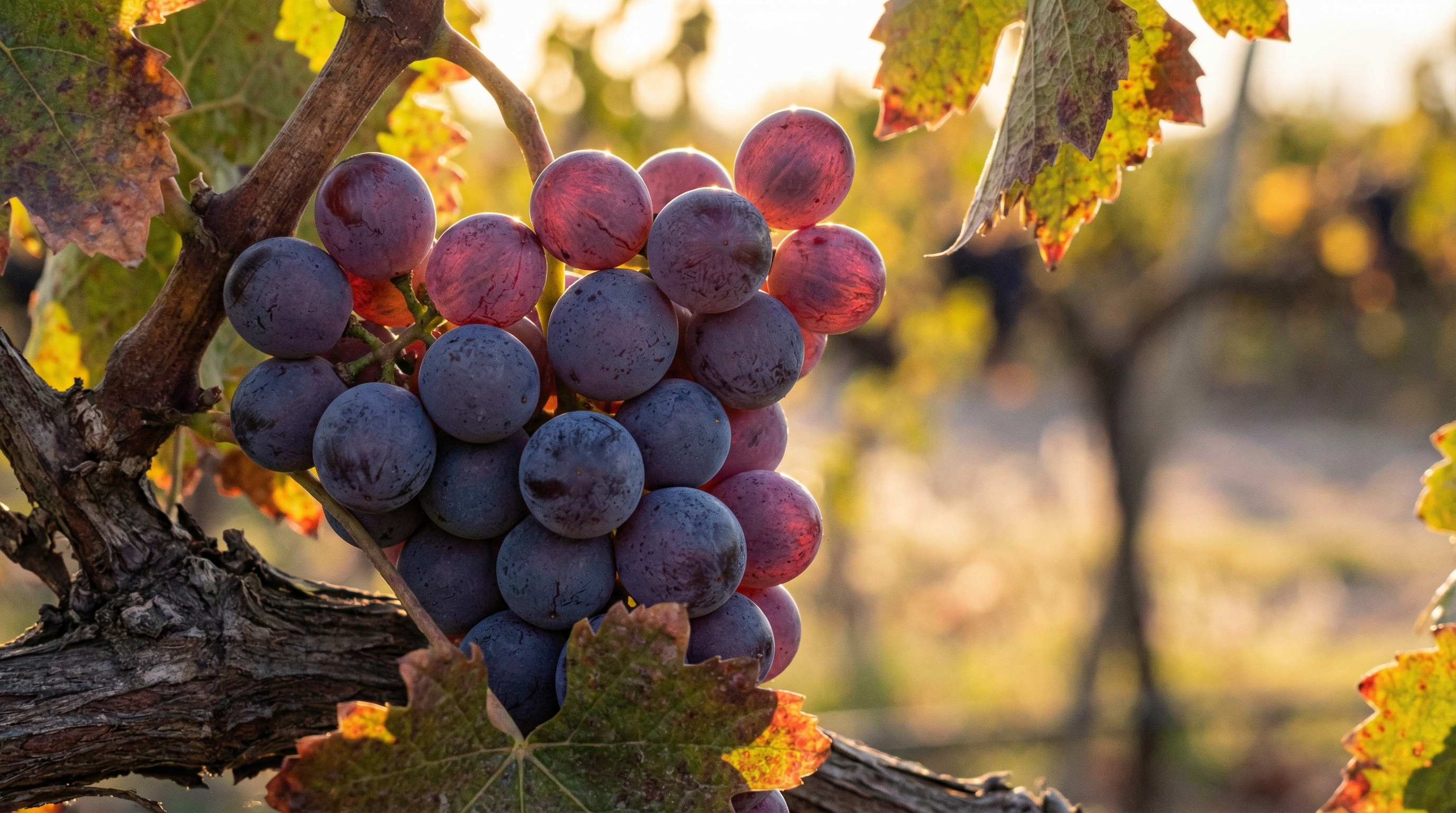
Lower Altitude (600–900m): Ripe, lush, and fruit-forward. Dark plum, blackberry, and chocolate dominate. Tannins are soft and velvety. These are the crowd-pleasing Malbecs that built Argentina's reputation — generous, immediately appealing wines perfect for grilled meats and casual dining.
Mid Altitude (900–1,200m): Greater complexity emerges. Violet and floral aromatics join the fruit spectrum. Acidity sharpens, tannins gain precision. Hints of graphite, iron, and spice appear. These wines reward cellaring.
High Altitude (1,200m+): The most compelling expressions. Intensely colored but also tensely structured, with flavors of dark fruit layered with crushed stone, lavender, black pepper, and a distinctive chalky minerality. Acidity is vibrant. The best examples — from Gualtallary, Altamira, Los Chacayes — can age for 15–20 years.
Essential Argentine Producers
The landscape of quality Argentine wine has expanded enormously. Beyond the Catena empire, dozens of producers now make world-class wine:
- Catena Zapata — The pioneer. From the accessible Catena Malbec to the sublime Adrianna Vineyard wines, quality is consistently outstanding.
- Achaval-Ferrer — Single-vineyard Malbecs from Finca Altamira, Finca Bella Vista, and Finca Mirador demonstrate Mendoza's terroir diversity.
- Zuccardi — Sebastián Zuccardi's Finca Piedra Infinita, from limestone soils in Paraje Altamira, has become one of Argentina's most lauded wines. His concrete-egg-fermented wines are fascinating.
- Bodega Chacra — Piero Incisa della Rocchetta's Patagonian Pinot Noir from century-old vines is Argentina's most elegant wine.
- Kaiken — Founded by Chile's Montes, offering exceptional value Malbec at every price point.
- Trapiche — One of Argentina's largest producers, whose Iscay and Terroir Series bottlings compete with the boutique elite.
- Viña Cobos — Paul Hobbs' Argentine project; the Cobos Malbec is powerful and polished.
- El Enemigo — Alejandro Vigil's personal project, producing cerebral, terroir-focused wines.
For further exploration, see the Wines of Argentina official site and Tim Atkin MW's Argentina Reports.
Malbec and the Argentine Table
It is impossible to discuss Argentine Malbec without mentioning the asado — the ritualistic Argentine barbecue that is as much social institution as cooking method. The marriage of Malbec and grilled beef is legendary, and not accidental: the grape's plush tannins, dark fruit, and moderate acidity are a near-perfect complement to the charred, smoky flavors of meat cooked over open flame.
But modern Argentine cuisine has moved far beyond the parrilla. In Buenos Aires, innovative restaurants are pairing Malbec with everything from Patagonian lamb to smoked provoleta cheese to dark chocolate desserts. The grape's versatility — from fresh, light-bodied examples to dense, age-worthy wines — means there is a Malbec for virtually every dish.
The Future of Argentine Malbec
Argentina faces challenges — inflation, currency instability, and climate pressures chief among them — but the trajectory of quality is unmistakable. The ongoing exploration of high-altitude, site-specific viticulture continues to reveal new dimensions of Malbec. The emergence of Patagonia as a source of cool-climate elegance, the growing recognition of old-vine Bonarda and Criolla varieties, and a new generation of winemakers pushing boundaries with minimal intervention all point to a dynamic future.
What began as a forgotten French grape, transplanted by a 19th-century agronomist into the shadow of the Andes, has become one of wine's great success stories. Malbec did not merely survive in Argentina — it was reborn, finding in the high deserts and mountain vineyards of Mendoza an expression of itself that France never imagined. For wine lovers, the Argentine chapter is still being written, and every page is worth reading.


