From the Andes to the World
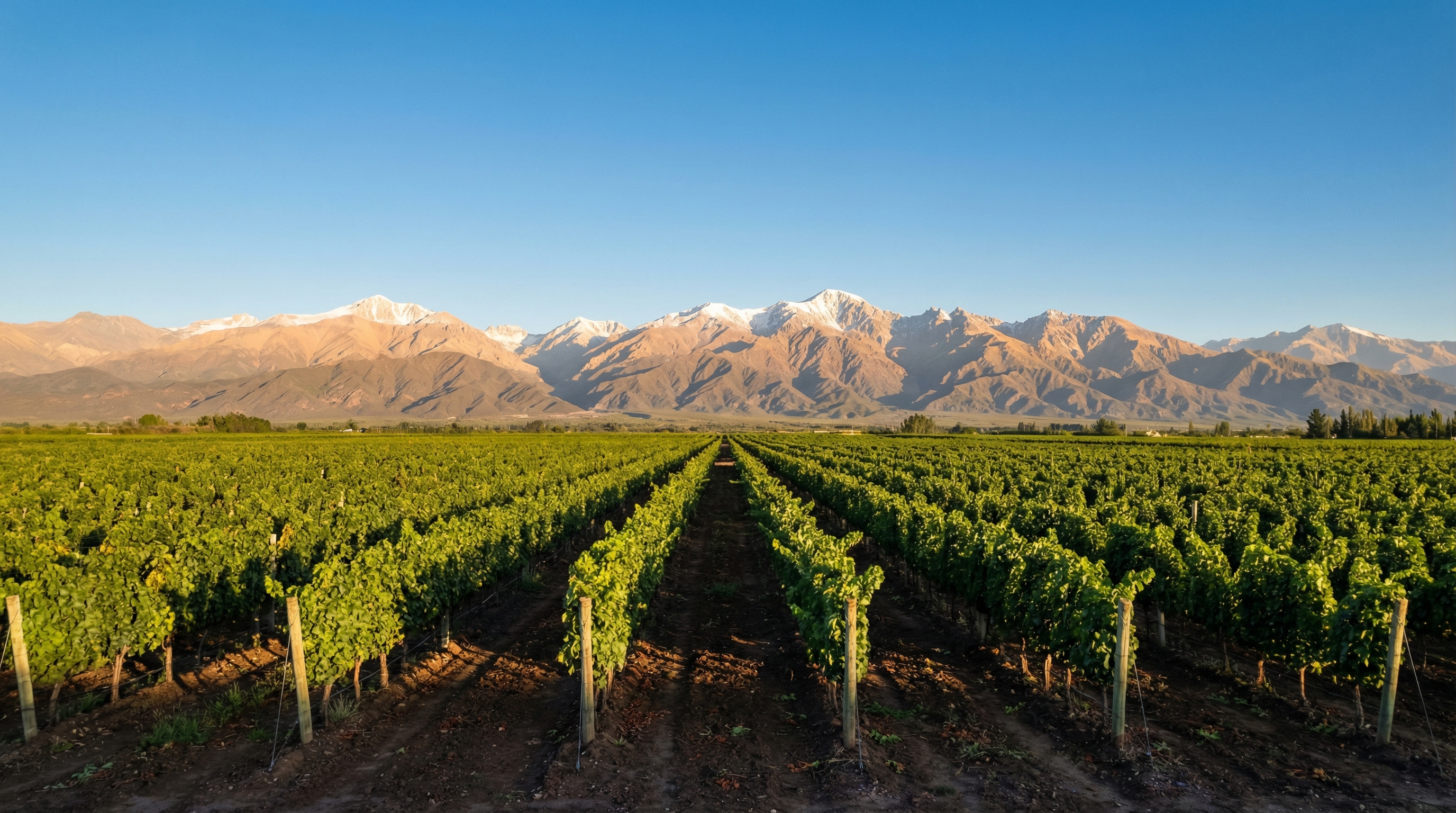
Nestled against the dramatic backdrop of the Andes mountains, Argentina's vineyards occupy some of the highest and most spectacular winemaking terrain on earth. At elevations ranging from 800 to over 3,000 meters above sea level, vines here endure extreme UV radiation, massive temperature swings, and desert-like conditions that forge wines of remarkable intensity, color, and character.
Argentina is now the fifth-largest wine producer globally and the undisputed king of Malbec—a grape that was nearly extinct in its French homeland before finding its ultimate expression in South America.
The Malbec Story
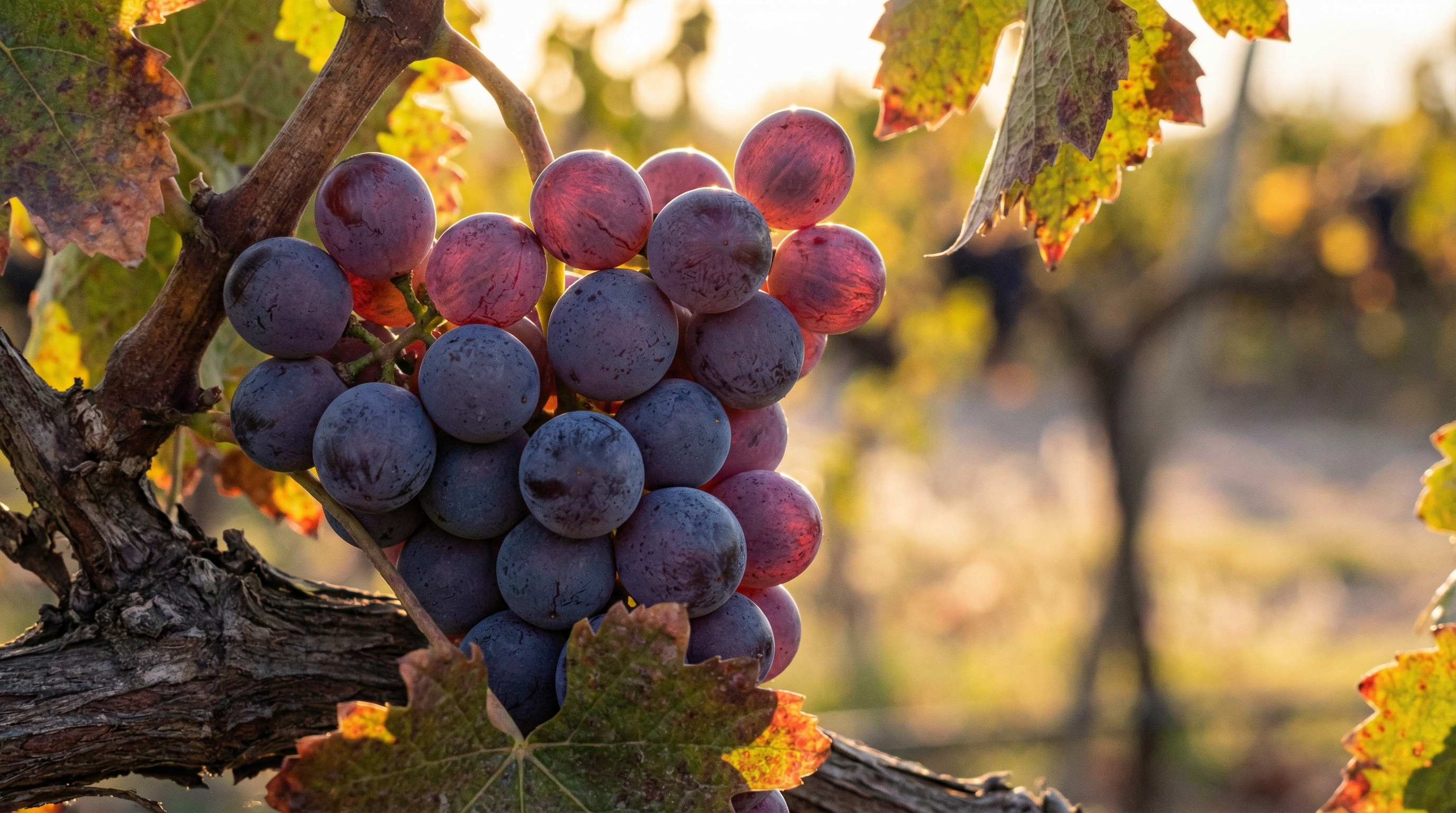
Malbec's journey is one of wine's great redemption arcs. Originally from Cahors in southwestern France (where it was known as Côt), this thick-skinned grape was always the overlooked blending partner. In 1868, French agronomist Michel Pouget brought Malbec cuttings to Argentina—and everything changed.
In France, Malbec struggled with disease and inconsistency. In Argentina's high-altitude, sun-drenched vineyards, it thrived spectacularly. The grape develops deep purple-black color, plush tannins, and explosive flavors of ripe plum, blackberry, violet, dark chocolate, and sweet spice.
Mendoza — The Heart of Argentine Wine
Mendoza produces over 70% of Argentina's wine, but it is far from homogeneous. Understanding its sub-regions is key:
Luján de Cuyo — The traditional heart of premium Malbec at 900–1,100 meters. Warmer sites produce rich, velvety wines. Key districts include Perdriel and Agrelo. Producers: Catena Zapata, Achaval-Ferrer, Luigi Bosca.
Valle de Uco — The modern frontier. At 1,000–1,500 meters, this cooler valley produces Malbec of extraordinary elegance, freshness, and minerality. Three key districts:
- Tupungato — The highest and coolest. Wines of precision and purity.
- Tunuyán — Home to many premium estates. The Gualtallary district (1,450m) is producing some of Argentina's greatest wines.
- San Carlos — Warmer, producing generous, fruit-forward styles.
Maipú — Mendoza's oldest wine district, with gnarled old vines producing concentrated wines.
Beyond Mendoza
Salta (Cafayate) — At 1,700+ meters in Argentina's north, these are among the highest commercial vineyards in the world. Torrontés, Argentina's signature white grape, reaches its finest expression here—explosively aromatic with notes of rose petal, peach, and jasmine. Colomé and El Esteco are leading producers.
Patagonia (Neuquén & Río Negro) — Argentina's coolest wine region. Strong Patagonian winds and extreme temperature swings produce Pinot Noir and Malbec of exceptional elegance and freshness. Bodega Chacra (owned by Piero Incisa della Rocchetta from Sassicaia) is putting Patagonian Pinot Noir on the global stage.
Producers Redefining Argentine Wine
- Catena Zapata — The family that put Argentine Malbec on the world map. Their Adrianna Vineyard (at 1,450m in Gualtallary) is now recognized among the world's great vineyards.
- Zuccardi — José Alberto Zuccardi's Valle de Uco project produces wines of stunning terroir expression. Their winery was voted World's Best Winery multiple times.
- Susana Balbo — Argentina's first female winemaker and a pioneer of premium Torrontés.
- Alejandro Vigil (El Enemigo) — A visionary winemaker producing wines that challenge preconceptions about Argentine wine.
Food & Wine Pairing
Argentina's culinary traditions and wine culture are inseparable:
- Asado (Argentine barbecue) with bold Malbec — the ultimate pairing
- Empanadas with Bonarda or young Malbec
- Grilled Patagonian lamb with aged Malbec from Valle de Uco
- Torrontés with fresh ceviche or spicy cuisine
Visiting Argentina's Wine Country
- Best time to visit: March–May (harvest season) or September–November (spring)
- Mendoza city is a cosmopolitan base with excellent restaurants
- Bike tours through Luján de Cuyo and Maipú are a quintessential experience
- Valle de Uco is roughly 90 minutes south and well worth the trip
- Many wineries offer stunning restaurant experiences (Zuccardi, Salentein, Casa de Uco)
“Malbec bir orijinaldir.”
— Laura Catena