Europe's Best-Kept Wine Secret
Portugal may be small—roughly the size of Indiana—but it punches wildly above its weight in the wine world. With over 250 indigenous grape varieties (many found nowhere else on earth), UNESCO-protected vineyard landscapes, and a new generation of ambitious winemakers, Portugal is arguably Europe's most exciting and undervalued wine country.
The Douro Valley — Where Wine History Lives
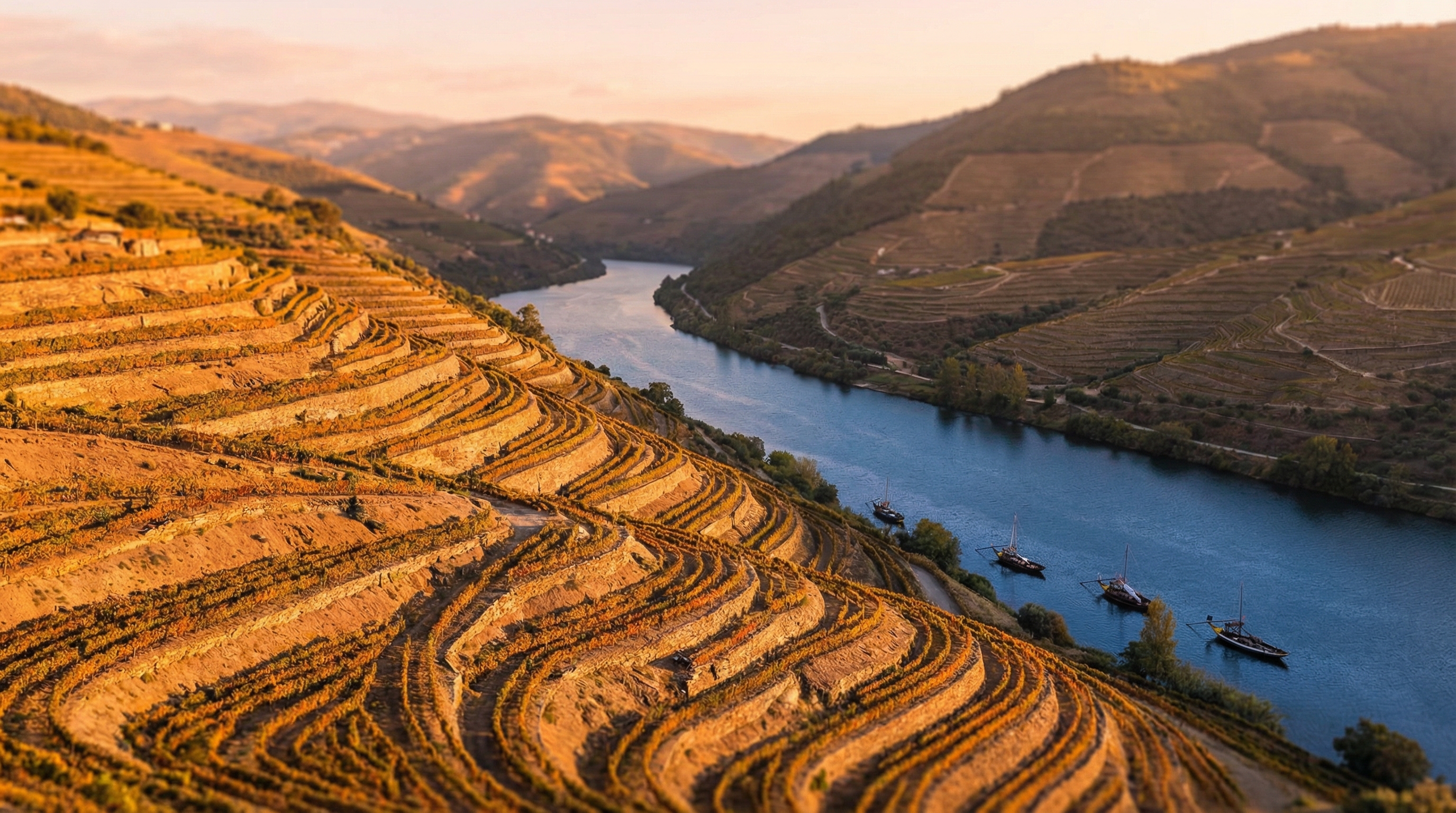
The Douro Valley in northern Portugal is one of the world's oldest demarcated wine regions (established in 1756—predating Bordeaux's classification by nearly a century). Its dramatic landscape of terraced vineyards carved into steep schist hillsides along the Douro River is a UNESCO World Heritage Site of breathtaking beauty.
Port Wine — The Douro's most famous product, Port is a fortified wine made by adding grape spirit during fermentation. Styles include:
- Ruby Port — Young, fruit-driven, and vibrant. Fresh plum and berry flavors.
- Tawny Port — Aged in small barrels, developing caramel, nut, and dried fruit character. 10, 20, 30, and 40-year-old expressions offer incredible complexity.
- Vintage/LBV Port — Produced in exceptional years. Vintage Port can age for 50+ years.
- White Port — A refreshing aperitif. Serve with tonic water over ice—Portugal's answer to the spritz.
- Top houses: Taylor's, Fonseca, Graham's, Niepoort, Quinta do Noval (Nacional).
Douro DOC (unfortified table wines) — This is where the real revolution is happening. The same ancient grape varieties (Touriga Nacional, Touriga Franca, Tinta Roriz) that make Port also produce extraordinary dry wines of depth, complexity, and character. Key producers:
- Niepoort — Dirk Niepoort is a visionary, producing both traditional Port and avant-garde table wines. His Charme and Batuta are world-class.
- Quinta do Crasto — Consistently excellent across the range.
- Wine & Soul — Sandra Tavares's estate produces some of the Douro's most elegant wines.
Beyond the Douro
Vinho Verde — Not a grape but a region in northwestern Portugal. The modern expression is crisp, mineral, subtly fizzy, and exceptionally food-friendly. Alvarinho (Albariño's Portuguese cousin) from Monção e Melgaço is serious wine. Soalheiro and Anselmo Mendes are top producers.
Alentejo — Portugal's sunny, Mediterranean south, producing generous, ripe reds and increasingly refined whites. Often called Portugal's New World. Herdade do Esporão and João Portugal Ramos are key names.
Dão — Granite soils and cooler climate produce Portugal's most elegant and Burgundy-like reds from Touriga Nacional. Álvaro Castro and Antonio Madeira are making extraordinary wines here.
Lisboa — The region surrounding the capital is experiencing a renaissance, with producers like Quinta de Chocapalha and Casal Sta. Maria making waves.
Bairrada — Home to the Baga grape, which produces tannic, age-worthy wines that have drawn comparisons to Nebbiolo. Luís Pato and Filipa Pato are essential producers.
Indigenous Grapes: Portugal's Secret Weapon
While the world plants Cabernet and Chardonnay, Portugal fiercely guards its indigenous heritage:
| Grape | Style | Region |
|---|---|---|
| Touriga Nacional | Rich, aromatic, violet-scented reds | Douro, Dão |
| Alvarinho | Crisp, aromatic whites | Vinho Verde |
| Baga | Tannic, age-worthy reds | Bairrada |
| Encruzado | Complex, mineral whites | Dão |
| Arinto | Fresh, citrusy whites | Bucelas, Vinho Verde |
| Fernão Pires | Aromatic, versatile whites | Lisboa, Tejo |
Visiting Portugal's Wine Country
- Douro Valley — Train from Porto along the river is one of Europe's great rail journeys. Stay at a quinta (wine estate) for the full experience.
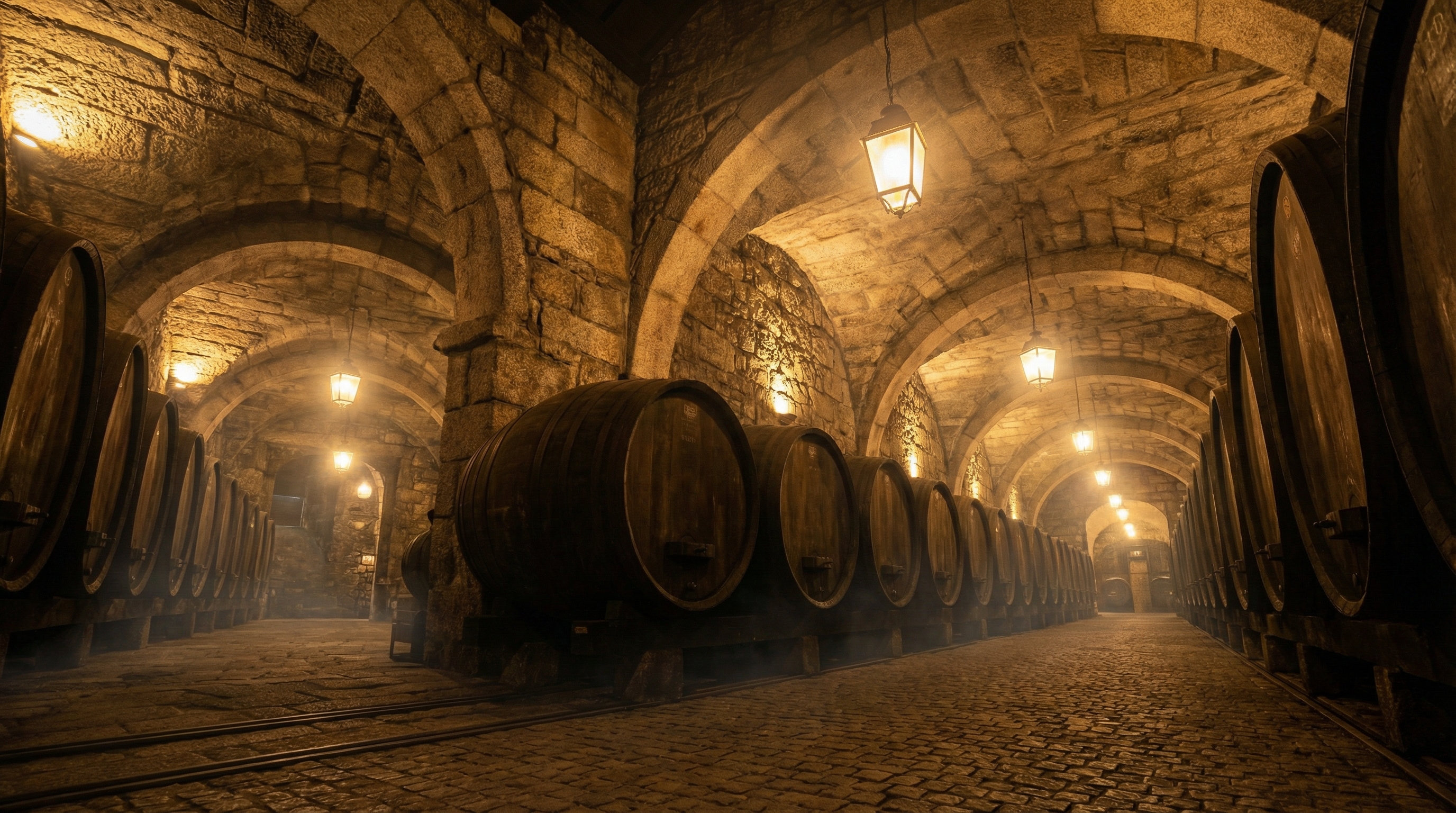
- Porto — Port wine cellars in Vila Nova de Gaia offer tours and tastings. Don't miss dinner at DOC restaurant with Douro views.
- Lisbon — Wine bars like By The Wine and Wines of Portugal Tasting Room offer exceptional curation.
- Budget: Portugal remains one of Western Europe's most affordable wine destinations.
“Douro dünyanın en güzel şarap bölgesidir.”
— Richard Mayson