The New Wine Frontier
The global wine map is being redrawn. While France, Italy, and California remain pillars, a wave of emerging regions is producing wines of astonishing quality—often from indigenous grapes and ancient traditions that predate European winemaking by millennia. These are the regions every serious wine lover should be watching.
Japan — Precision and Elegance
Japan's wine industry has quietly transformed from a curiosity into a legitimate source of world-class wines. The Japanese approach—meticulous attention to detail, respect for terroir, and an almost obsessive pursuit of perfection—translates beautifully to winemaking.
Yamanashi Prefecture — The heartland of Japanese wine, located at the foot of Mount Fuji. The indigenous Koshu grape, grown here for over 1,000 years, produces delicate, crystalline whites with subtle citrus and mineral notes. It is one of the few grapes that pairs perfectly with Japanese cuisine—sushi, sashimi, and tempura.
- Grace Winery — Their Koshu Private Reserve stunned the wine world at international competitions.
- Château Mercian — Japan's most established premium winery, with outstanding Chardonnay and Merlot alongside Koshu.
- Domaine Sogga — In Nagano, producing remarkable Pinot Noir.
Hokkaido — Japan's coolest wine region, increasingly producing promising Pinot Noir and Germanic white varieties. Climate change is making this northern island increasingly viable.
Georgia — Wine's 8,000-Year-Old Birthplace
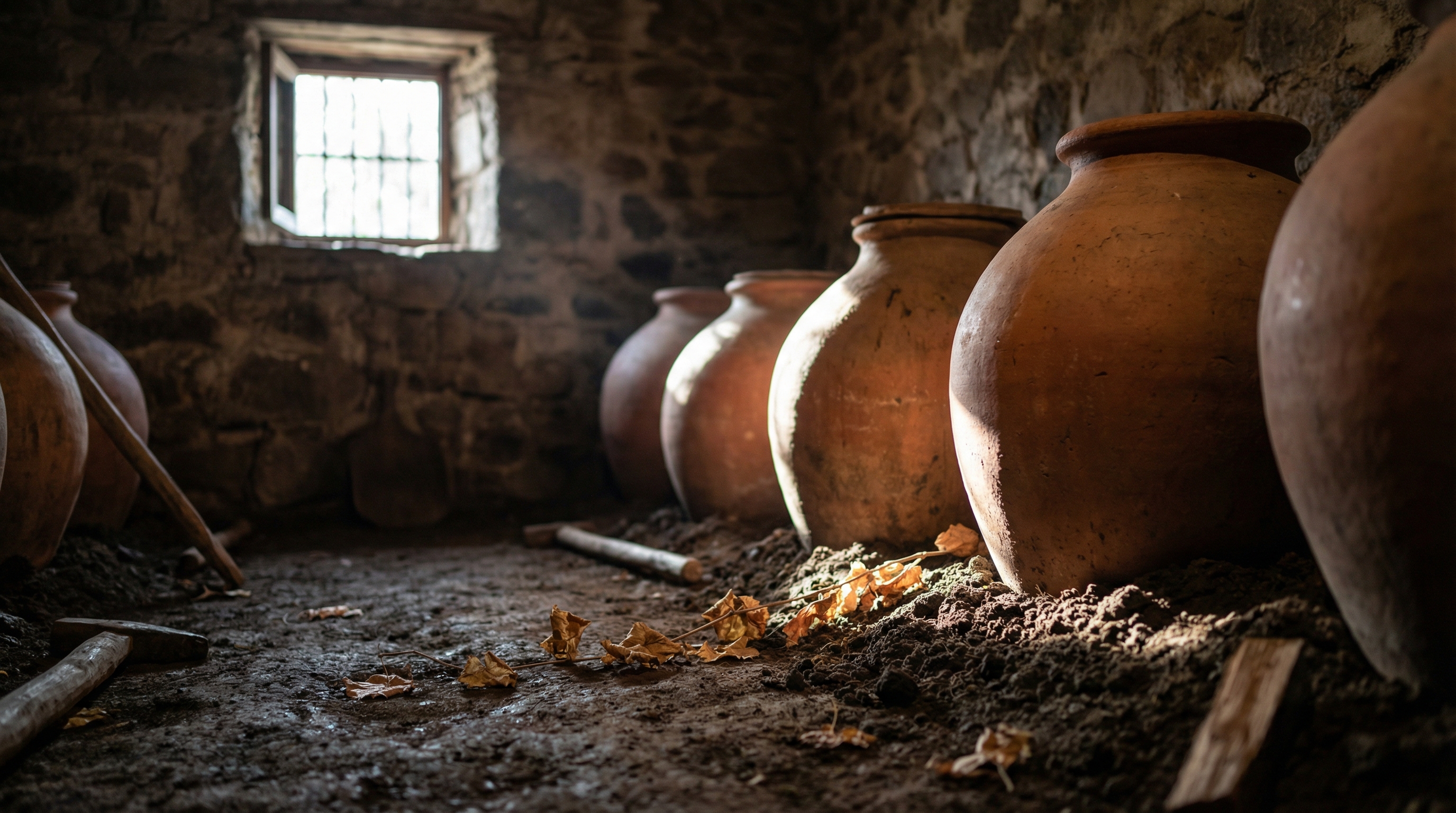
Georgia isn't emerging—it's re-emerging. Archaeological evidence proves winemaking here dates to 6000 BC, making Georgia the cradle of wine civilization. The country's 525+ indigenous grape varieties and unique qvevri winemaking method (fermenting and aging wine in large clay vessels buried underground) have been recognized by UNESCO as Intangible Cultural Heritage.
Key grapes:
- Saperavi — A teinturier grape (red flesh and skin) producing deeply colored, tannic reds with flavors of blackberry, sour cherry, and earth. It is one of the few grapes capable of producing great wine entirely on its own.
- Rkatsiteli — Georgia's most planted white grape, often made as an amber/orange wine with extended skin contact in qvevri.
- Mtsvane — An aromatic white that produces hauntingly beautiful amber wines.
Producers to know:
- Pheasant's Tears — American-born John Wurdeman fell in love with Georgia and its wines. His qvevri wines are available internationally and offer the best introduction.
- Iago's Wine — Iago Bitarishvili's Chinuri is one of the world's great natural white wines.
- Lapati Wines — Modern approach meets qvevri tradition.
Lebanon — Wine Between Civilizations
Lebanon's Bekaa Valley, nestled between the Lebanon and Anti-Lebanon mountain ranges, has been producing wine for over 5,000 years—the Phoenicians were among wine's earliest merchants. Despite decades of conflict, Lebanese winemakers have persevered with extraordinary resilience.
- Château Musar — The iconic Serge Hochar (who never missed a vintage even during the civil war) blended Cabernet Sauvignon, Cinsault, and Carignan into wines of unforgettable complexity. Exotic, oxidative, and utterly unique.
- Château Kefraya — Producing elegant Rhône-style blends at 1,000 meters elevation.
- Domaine des Tourelles — Lebanon's oldest winery (1868), revitalized by a new generation.
- IXSIR — A modern producer with stunning Mediterranean architecture and wines.
South Africa — The Rainbow Nation's Wine Renaissance
South Africa's wine industry is undergoing its most exciting transformation since the end of apartheid. The Stellenbosch, Swartland, and Hemel-en-Aarde regions are producing wines that compete with the world's best.
- Swartland — The revolution started here. Young winemakers embraced old-vine Chenin Blanc, Grenache, and Syrah. The Swartland Independent Producers movement set quality standards. Mullineux, Sadie Family, and Porseleinberg are world-class.
- Stellenbosch — The historic heart of South African wine. Kanonkop's Pinotage and Paul Sauer Bordeaux blend, and Meerlust's Rubicon are iconic.
- Hemel-en-Aarde — Cool-climate valley producing Burgundy-rivaling Pinot Noir and Chardonnay. Hamilton Russell is the pioneer.
- Constantia — Klein Constantia's Vin de Constance, a sweet Muscat wine, was Napoleon's favorite drink in exile.
Other Rising Stars
China — The world's fastest-growing wine market is also becoming a producer. Ao Yun in Yunnan (owned by LVMH) is producing remarkable Cabernet blends at 2,600 meters in the Himalayan foothills. Ningxia region in the north is China's Napa.
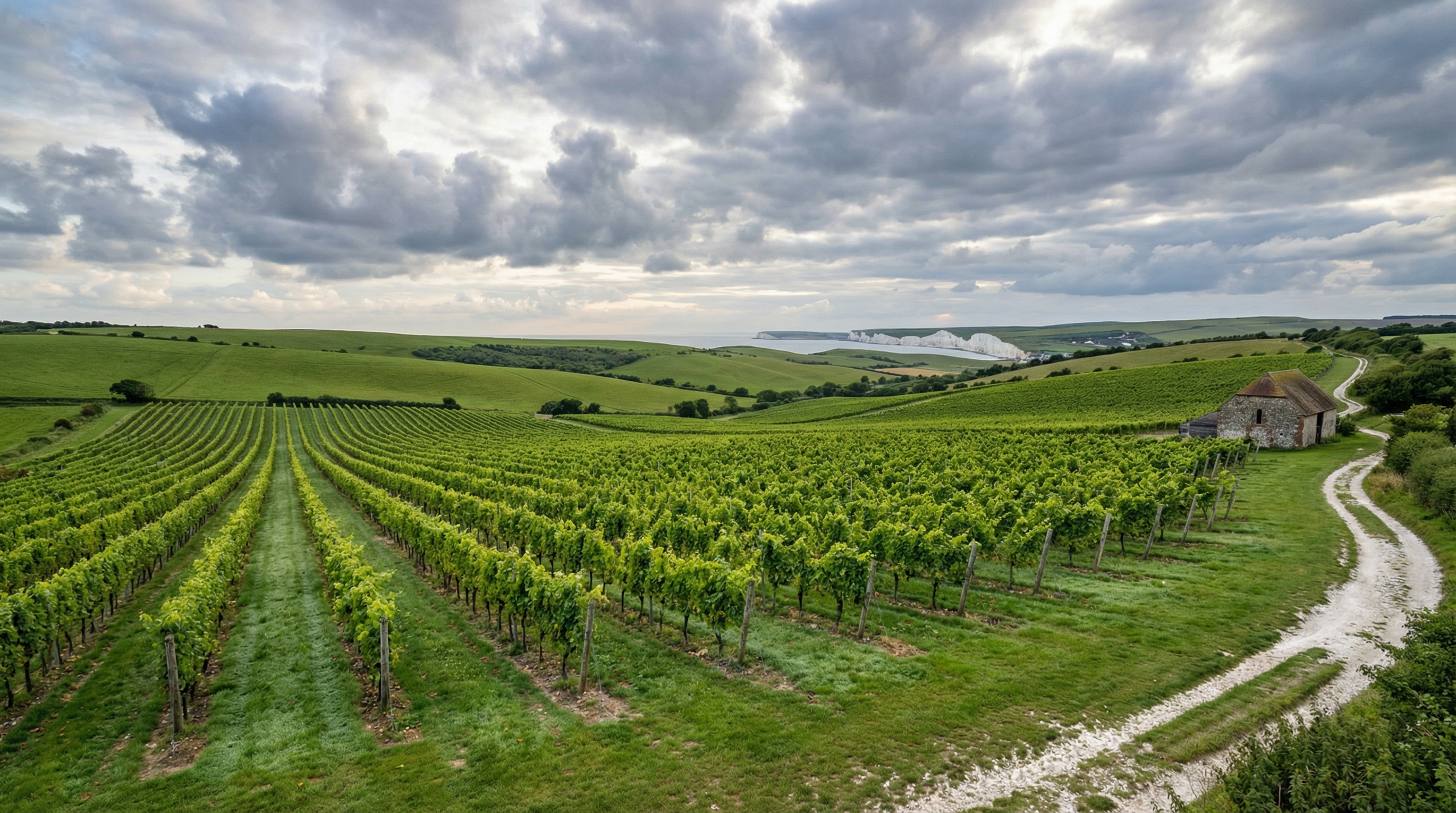
England — Climate change has transformed southern England into a world-class sparkling wine region. Nyetimber, Ridgeview, and Gusbourne produce wines that outperform Champagne in blind tastings.
Greece — Ancient varieties like Assyrtiko (from volcanic Santorini), Xinomavro, and Agiorgitiko are gaining deserved recognition. Gaia Wines and Alpha Estate lead the charge.
Uruguay — Tannat, a tannic grape from southwestern France, has found its second home here. Garzón and Bouza produce outstanding examples with sun-ripened richness.
Why These Regions Matter
The future of wine is diversity. As climate change reshapes traditional growing regions and consumers seek new experiences, these emerging areas offer:
- Unique indigenous varieties you cannot find elsewhere
- Extraordinary value compared to established regions
- Authentic cultural connections to ancient traditions
- Environmental resilience through adapted local varieties
- Fresh perspectives that challenge wine orthodoxy
“Şarabın geleceği keşfedilmemiş yerlerdedir.”
— Jamie Goode